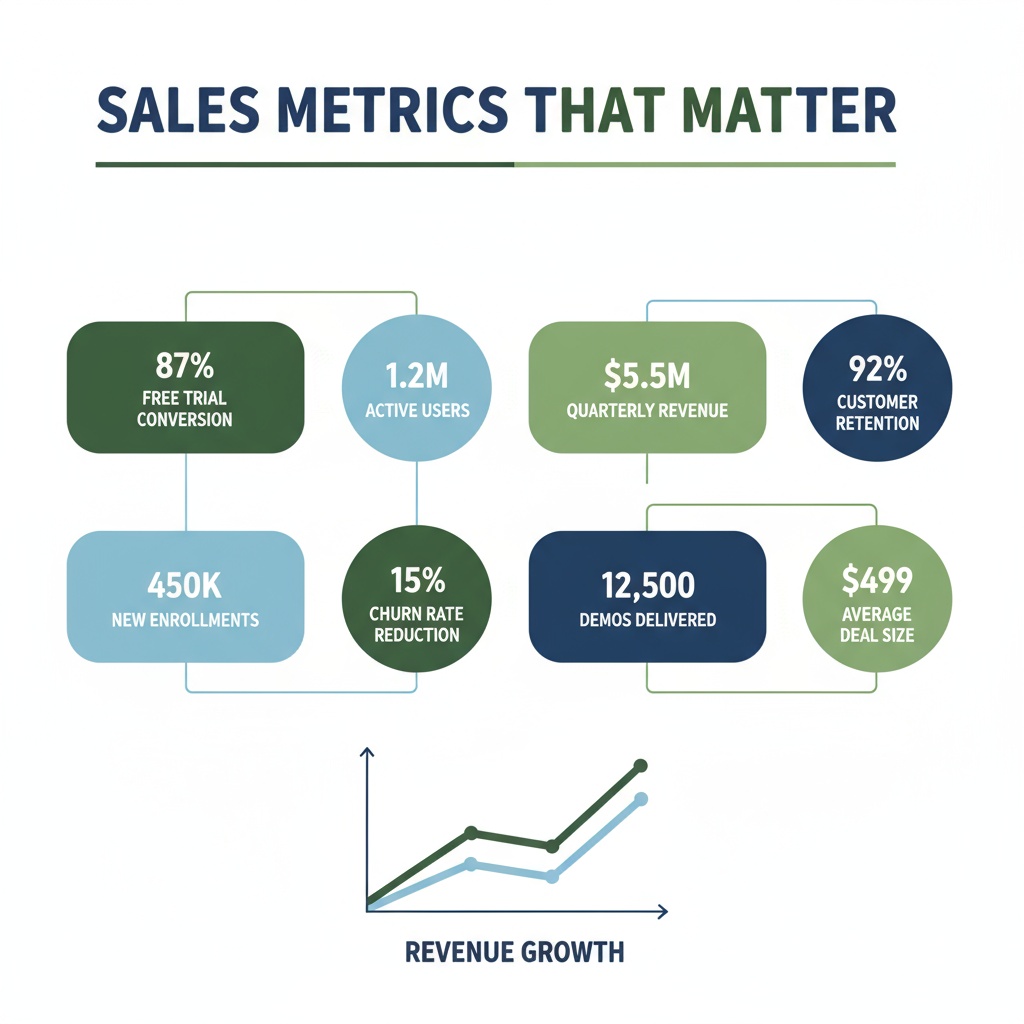
The Sales Metrics That Actually Matter (And the Vanity Metrics to Ignore)
Your CRM is full of data. Pipeline value. Number of demos. Website visitors. LinkedIn connections. Activity reports showing your team is busy, busy, busy.
Your product demo is polished. You’ve rehearsed every feature. You can navigate the platform blindfolded. Yet after 30 minutes of showing everything your solution can do, the head teacher looks… underwhelmed. “That’s interesting,” they say. “Send us a proposal and we’ll discuss it internally.” Translation: you’ve just lost the deal. Here’s why: you sold features when you should have sold transformation. You demonstrated what your product does, rather than painting a vision of what their school could become. Welcome to concept selling—the approach that wins in education. The Feature Trap Most EdTech sales conversations sound remarkably similar: “Our platform has real-time analytics… automated reporting… customisable dashboards… integration with your MIS… mobile apps for teachers and parents…” The prospect nods politely whilst mentally composing their shopping list. They’re not engaged—they’re enduring. Features don’t inspire. They don’t create urgency. They don’t help education buyers envision a better future. Features are commodities that get compared on spreadsheets and beaten down on price. Concepts, on the other hand, sell transformation. Enrol Here for Free Access to EdTech Growth Playbook What Is Concept Selling? Concept selling means leading with the transformation your solution enables, not the features it includes. You’re selling a vision of what becomes possible The product is simply the vehicle for achieving that transformation. Consider two approaches to selling the same literacy platform: Feature Selling: “Our platform includes phonics assessments, reading comprehension tracking, vocabulary builders, and progress reports for parents.” Concept Selling: “Imagine every child reading at or above their expected level by Year 2. No child left behind because gaps are identified and addressed immediately. Teachers spend less time on assessments and more time on targeted intervention. Parents see exactly how to support their child’s reading at home. That’s what becomes possible.” Which approach makes you want to lean in and learn more? The Concept Selling Framework Effective concept selling follows a four-phase process: Phase 1: Strategic DiscoveryBefore introducing any concept, understand its current reality deeply. What are their strategic priorities? Where are they struggling? What would success look like? What’s preventing them from achieving it? This isn’t qualification—it’s genuine exploration of their world. Phase 2: Concept IntroductionPaint a vivid picture of transformation. Describe what becomes possible when their challenges are solved. Use specific, concrete examples from similar schools. Make it real and tangible. Help them see themselves in that future state. Phase 3: Collaborative ExplorationInvolve them in refining the vision. Ask: “What would this mean for your teachers? Your students? Your Ofsted inspection?” Let them articulate the value in their own words. When they’re co-creating the vision, they’re selling themselves. Phase 4: Solution AlignmentOnly now do you introduce your product—positioned as the enabler of the transformation they’ve just envisioned. Features become relevant because they’re connected to outcomes that matter. You’re not selling software; you’re selling the path to their desired future. The Language of Transformation Concept selling requires a different language than feature selling: Instead of: “Our platform tracks attendance.”Say: “Imagine identifying attendance patterns before they become chronic absence cases.” Instead of: “We integrate with your MIS.”Say: “Picture having all student data in one place, eliminating duplicate entry and giving teachers back hours each week.” Instead of: “Our reporting is customisable.”Say: “Envision walking into your next governor meeting with evidence that demonstrates impact, not just activity.” Notice the shift? From what the product does to what the school achieves. Handling the “But How?” Question At some point, prospects will ask: “But how does it actually work?” This is your invitation to demonstrate features—but always tied back to the transformation: “Remember, we discussed identifying reading gaps early? Here’s how: teachers conduct quick phonics assessments on their tablets. The platform analyses results in real-time and flags children who need intervention. It even suggests specific resources matched to each child’s needs. So instead of waiting for termly assessments, you’re intervening within days.” Features become meaningful when they’re the answer to “how do we achieve the transformation we want?” Enrol Here for Free Access to EdTech Growth Playbook Why Concept Selling Works in Education Education buyers aren’t purchasing software—they’re investing in outcomes or results. They’re accountable to governors, Ofsted, parents, and their own professional standards. Features don’t address those accountabilities. Transformation does. When you sell concepts, you’re speaking the language of educational leadership. You’re addressing the challenges that keep head teachers awake at night. You’re positioning yourself as a partner in their mission, not a supplier of tools. That’s why concept selling commands premium pricing, shortens sales cycles, and builds long-term partnerships. Doing It Differently Go from feature selling to concept selling requires practice: Start every conversation with discovery, not demonstration Ask about outcomes before discussing capabilities Paint transformation pictures using specific, concrete examples Let prospects articulate value in their own words Introduce features only as enablers of transformation Your product hasn’t changed. But the way you position it changes everything. Sell Change, Not Features In a crowded EdTech market, concept selling is your competitive advantage. Whilst others list features, you’re painting visions of transformation that education buyers actually want to buy. Ready to master concept selling for EdTech? Join the free EdTech Founder’s Growth Playbook course for the complete Concept Selling Framework, including discovery question templates, transformation language examples, and real-world case studies. Enrol now for free Enrol Here for Free Access to EdTech Growth Playbook Because in EdTech, features are commodities—transformation is priceless. About the Author: Stella is the founder of Seventh Sibling and has over 20 years of experience in EdTech sales, business development, and leadership. She’s helped EdTech companies achieve £2.2m profit turnarounds, 41% YoY revenue growth, and has won six innovation awards for her work in the education sector.
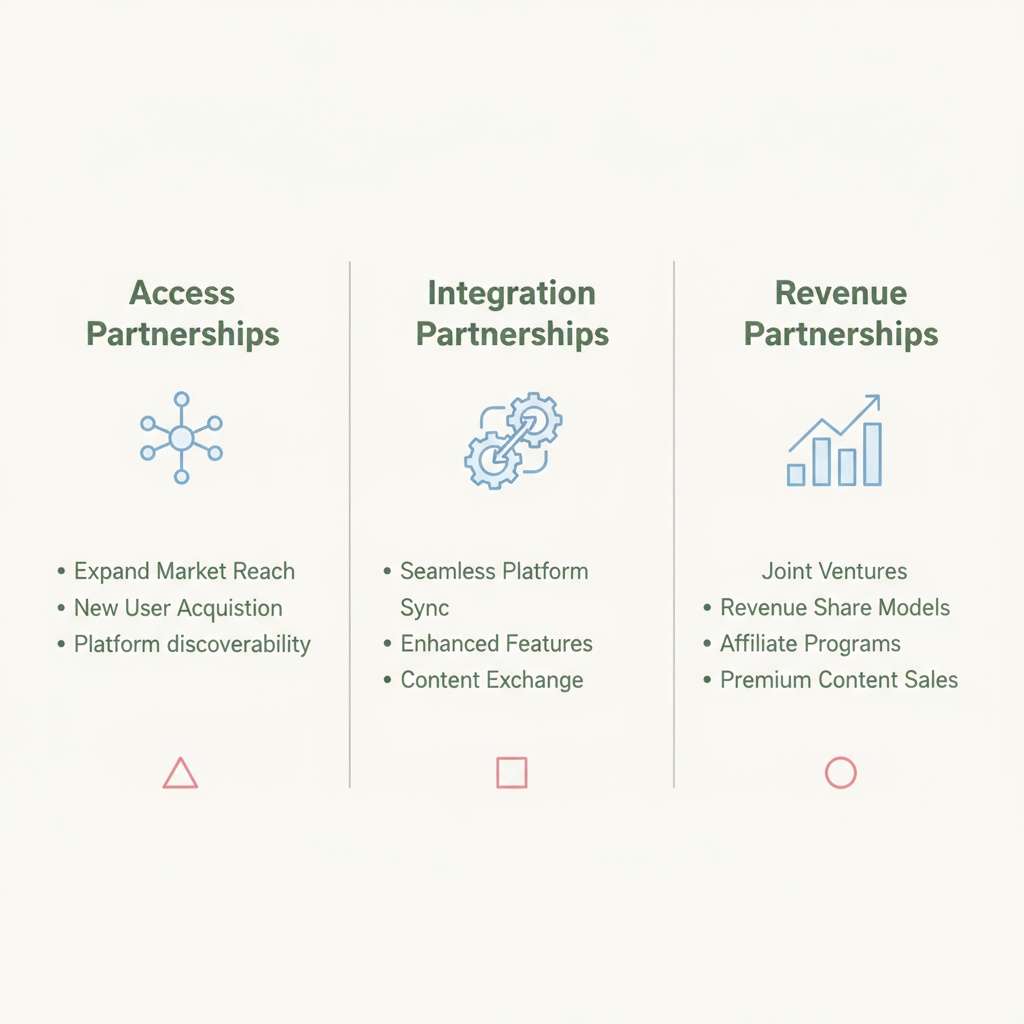
Your inbox is full of partnership proposals. Trade associations want you to sponsor their conference. Other EdTech companies want to “explore synergies.” Consultants promise to introduce you to decision-makers. You say yes, invest time and money, and six months later… nothing. No leads. No revenue. Just a logo on someone else’s website and a vague promise of “future opportunities.” Sound familiar? Most EdTech partnerships fail because they’re built on access, not value. They promise introductions without addressing the fundamental question: what problem are we solving together that neither of us can solve alone? The Partnership Trap Here’s the uncomfortable truth: most partnership proposals are thinly disguised sales pitches. Someone wants your money, your customer list, or your credibility—but they’re packaging it as a “strategic partnership.” The warning signs are obvious: Genuine partnerships create value that neither organisation could generate on its own. Everything else is just marketing spend dressed up in partnership language. The Three Types of EdTech Partnerships Not all partnerships are created equal. Understanding which type you’re pursuing helps you set appropriate expectations and success criteria. Type 1: Access PartnershipsThese provide introductions, networking, or brand association. Trade association memberships and conference sponsorships fall here. They’re valuable for visibility but rarely drive direct revenue. Treat them as marketing expenses, not strategic partnerships. Type 2: Integration PartnershipsYour solution integrates with another platform, creating technical value for shared customers—these work when both solutions are already established in schools, and the integration solves a genuine pain point. Without existing customer overlap, integration partnerships deliver limited value. Type 3: Revenue PartnershipsThese directly generate sales through co-selling, referrals, or bundled offerings. They’re the hardest to build but deliver the highest return. Revenue partnerships require aligned incentives, transparent processes, and genuine commitment from both sides. Most EdTech companies waste resources on Type 1 partnerships whilst neglecting Type 3. Focus your energy where revenue lives. Want to master all three partnership types? The free EdTech Founder’s Growth Playbook includes the complete Partnership Strategy Framework, plus 11 other critical growth strategies. Enrol now for free The Revenue Partnership Framework Building partnerships that actually drive revenue requires a structured approach: 1. Identify Complementary SolutionsLook for companies serving the same schools with non-competing solutions. A literacy platform and a behaviour management system. An assessment tool and a parent engagement app. You’re solving different problems for the same buyer. 2. Map Customer OverlapBefore formal discussions, identify how many customers you share. If there’s minimal overlap, the partnership will struggle. Significant overlap suggests a genuine opportunity for bundled offerings or cross-referrals. 3. Define Clear Value ExchangeWhat does each partner contribute? Customer introductions? Technical integration? Co-marketing? Sales training? Be explicit about commitments, timelines, and success metrics. Vague agreements produce vague results. 4. Align IncentivesRevenue partnerships work when both sides benefit financially from success. Create referral fees, revenue sharing, or bundled pricing that rewards both partners. Without financial alignment, partnerships remain a low priority. 5. Build Operational ProcessesHow will leads be shared? Who owns the customer relationship? How are referral fees tracked and paid? What happens when both partners are already talking to the same school? Document these processes before problems arise. The Partnership Qualification Checklist Before committing to any partnership, ask these questions: If you can’t answer yes to all six questions, reconsider the partnership. Your time and resources are better spent elsewhere. When to Say No The best partnership strategy often involves saying no. Decline partnerships that: Every partnership consumes time, attention, and resources. Opportunity cost is real. Saying no to mediocre partnerships creates space for transformative ones. Build Partnerships That Drive Revenue Strategic partnerships can accelerate growth—but only when they’re built on genuine value exchange, aligned incentives, and clear revenue pathways. Stop chasing access and start building revenue partnerships with complementary EdTech companies serving your target schools. Ready to develop a partnership strategy that actually drives growth? Join the free EdTech Founder’s Growth Playbook course to learn the complete framework for identifying, building, and managing partnerships that generate revenue. This 12-part video series includes the Partnership Qualification Checklist, Revenue Partnership Framework, and real-world examples of partnerships that work. Enrol now for free: Link to Course Because in EdTech, the right partnerships multiply your reach—the wrong ones multiply your costs. About the Author: Stella is the founder of Seventh Sibling and has over 20 years of experience in EdTech sales, business development, and leadership. She’s helped EdTech companies achieve £2.2m profit turnarounds, 41% YoY revenue growth, and has won six innovation awards for her work in the education sector.
Most EdTech companies assume that satisfied customers will naturally become advocates. They won’t. Customer advocacy doesn’t happen by accident—it requires a systematic approach to turn happy users into active champions who refer, promote, and defend your solution.
Most EdTech sales teams are losing deals before they even present their product. Not because their solution isn’t good enough. Not because their pricing is wrong. But because they’ve failed to build trust.
Unlocking Business Potential: Comprehensive Business Development Services In the dynamic world of business, growth and development are paramount. At Seventh Sibling, we understand the intricacies of business development and offer a full suite of services designed to help your business thrive. Whether you need coaching or direct support, our expertise spans all areas, including sales, marketing, partnerships, and customer retention. The Distinction Between Business Development and Sales Sales and business development are often used interchangeably, but they serve different purposes. Sales focuses on closing deals and converting prospects into paying customers through direct engagement. Business development, however, encompasses a broader scope, including identifying new market opportunities, building strategic partnerships, and fostering long-term growth. Sales Development: Coaching and Direct Support Sales are the lifeblood of any business. At Seventh Sibling, we offer comprehensive sales development services to ensure your team is equipped with the skills and techniques needed to close deals effectively. Our sales coaching programmes are tailored to your team’s needs, providing them with the tools to succeed. Additionally, our direct sales support can assist with sales operations, from developing strategies to engaging with prospects. Marketing Strategies: Building Your Brand Effective marketing is crucial for attracting and retaining customers. Our marketing strategies are designed to create a strong, memorable brand that resonates with your target audience. We utilise a mix of digital and traditional marketing techniques to maximise your reach and impact. From SEO and social media marketing to print and events, we ensure your marketing efforts are cohesive and effective. Partnership Development: Strategic Alliances Building strategic partnerships is a key component of business development. At Seventh Sibling, we help you identify and build partnerships that align with your business goals. Whether it’s exploring joint ventures or collaboration opportunities, our partnership development services are designed to drive mutual growth and success. Customer Retention: Keeping Your Clients Engaged Retaining customers is just as important as acquiring new ones. Our customer retention strategies focus on developing and implementing plans to keep your clients engaged and loyal. We gather and analyse customer feedback to continuously improve your products and services, ensuring long-term satisfaction and retention. Why Choose Seventh Sibling? With over 10 years of experience in helping businesses grow and succeed, Seventh Sibling offers comprehensive support tailored to your unique needs. Our proven track record of delivering tangible results speaks for itself. From sales to customer retention, we cover all aspects of business development, providing you with the tools and strategies needed to achieve your growth objectives. Get in Touch Ready to take your business to the next level? Contact us today to learn more about how Seventh Sibling can support your business development needs. Whether you need coaching or direct support, we are here to help you achieve your growth objectives. Let’s Work Together At Seventh Sibling, we are committed to helping you unlock your business potential. Let’s work together to build a successful future for your business. Reach out to us today and discover how our comprehensive business development services can drive your success.
This initial phase sets the tone for the entire conversation and is crucial for establishing rapport, capturing the prospect’s interest, and building trust. During the intro, it’s important to be clear, concise, and engaging. Your tone and energy can significantly impact how the prospect perceives you and your offering Do you have any specific strategies you use during your sales call intros? Building rapport is crucial in sales for several reasons: Which aspect of building rapport do you find most challenging in your sales interactions?
In the ever-changing landscape of entrepreneurship, the emphasis often falls on selling the business itself. However, true success lies in selling the concept behind the business. This approach not only attracts investors but also builds a loyal customer base and fosters long-term growth Why Concept MattersVision and Purpose: A business concept encapsulates the vision and purpose behind the enterprise. It tells the story of why the business exists and what problems it aims to solve. This narrative is compelling and resonates with stakeholders on a deeper level than mere financial metrics. Differentiation: In a crowded market, a unique concept sets a business apart from its competitors. It highlights the innovative aspects and the unique value proposition that the business brings to the table. This differentiation is crucial for standing out and gaining a competitive edge. Emotional Connection: People connect with stories and ideas more than they do with numbers. Selling the concept creates an emotional bond with customers, investors, and partners. This connection fosters loyalty and advocacy, which are invaluable for sustainable growth. Flexibility and Adaptability: A strong concept provides a foundation that can evolve with changing market conditions. It allows the business to pivot and adapt while staying true to its core values and mission. This flexibility is essential for long-term resilience. How to Sell the Concept Craft a Compelling Narrative: Develop a clear and engaging story that communicates the vision, mission, and values of the business. Highlight the problem being solved and the impact the business aims to make. Showcase the Value Proposition: Clearly articulate the unique benefits and advantages of the concept. Use real-world examples and case studies to demonstrate its effectiveness and potential. Engage with Stakeholders: Build relationships with customers, investors, and partners by sharing the concept and inviting feedback. Use various platforms, such as social media, blogs, and presentations, to communicate the concept consistently. Focus on Impact: Emphasise the positive impact the concept has on the target audience and the broader community. Highlight success stories and testimonials that showcase the real-world benefits of the concept. Be Authentic: Authenticity is key to building trust. Ensure that the concept aligns with the business’s actions and practices. Consistency between words and actions reinforces credibility and trustworthiness. Conclusion Selling the concept, rather than just the business, is a powerful strategy for achieving long-term success. It creates a strong foundation built on vision, differentiation, emotional connection, and adaptability. By focusing on the concept, businesses can attract the right stakeholders, foster loyalty, and navigate the ever-changing market landscape with confidence. What are your thoughts on this approach? Have you seen any examples where selling the concept made a significant difference?
In the ever-evolving world of entrepreneurship, the focus often shifts towards selling the business. However, the true essence of success lies in selling the concept behind the company. This approach attracts investors, builds a loyal customer base, and fosters long-term growth.
In today’s competitive market, businesses often fall into the trap of aggressively selling their products. However, understanding and addressing their pain points is the key to truly connecting with customers and driving sales. Businesses can create more meaningful and lasting relationships by shifting the focus from the product to the customer’s needs.