The free pilot that is not a pilot
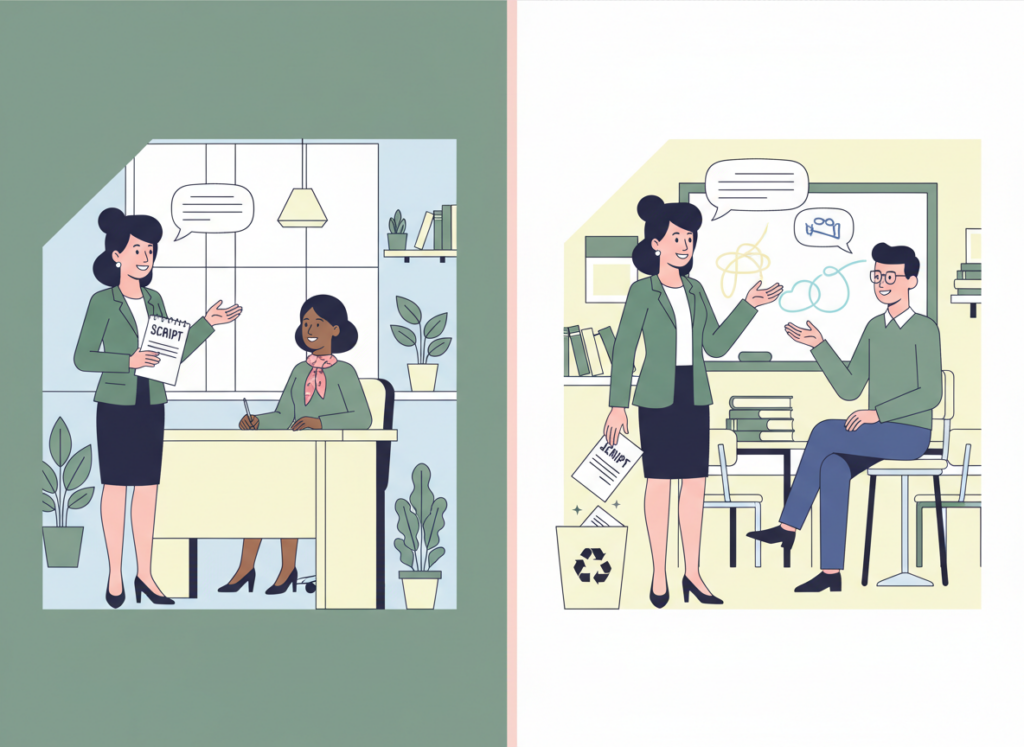
Selling into education The free pilot that is not a pilot A pilot with no measure, no end date and nobody who can say yes isn’t a trial. It’s a very polite way for everyone to avoid making a decision. By Stella James, Founder, Seventh Sibling There’s a conversation I have with founders selling into education more often than almost any other, and it usually starts with good news. A school is interested. Better than that, they want to try it. So the product goes in for free, for a term or so, and everyone leaves the meeting feeling as though something has happened. Then nothing much does. Nobody wrote down what success would look like. The end date drifts from half-term to “after Christmas” to “let’s pick it up in the spring”. The lovely person who championed it can’t actually sign anything bigger, and the people who can were never in the room. By the time anyone asks how it went, the honest answer is that nobody’s quite sure, and a product that was never properly set up gets judged on a half-hearted few weeks. If you’ve spent any time in this sector, you’ll recognise every line of that. It isn’t a pilot. It’s a parking space with your logo on it. Why everyone says yes to a pilot like this The uncomfortable truth is that the free, open-ended pilot suits both sides, which is exactly why it keeps happening. The supplier gets a foot in the door and something encouraging to put in the pipeline report. The school gets to try something without taking a risk on budget or reputation, and without anyone having to say no to a supplier they quite like. Nobody’s being dishonest. It’s simply comfortable, and comfortable is the enemy of a decision. A school is a busy place, and a pilot that nobody owns will always lose out to the things that somebody does. What it actually costs you Free is never free for the supplier. There’s the onboarding, the training, the support calls and the follow-ups, all given to an account that hasn’t committed to anything. There’s the opportunity cost of the schools you didn’t have time for because this one felt so close. And then there’s the quieter damage. A pilot that drifts never gives you a clear no, so it sits in your forecast looking far healthier than it is. You can’t learn from it, because nothing was measured. Worst of all, your product gets its reputation in that school from a trial that was never set up to show what it can do. A pilot that drifts never gives you a clear no, so it sits in your forecast looking far healthier than it is. What a real pilot looks like when you’re selling into education Schools don’t mind pilots at all, and nor should you. What a pilot needs is a reason to make a decision at the end of it, and that reason has to be agreed at the start, while everybody’s still excited. Before anything goes in, get these on paper. What you’re measuring, and how. Agree it with the school, in their language, tied to something they already care about. If you can’t describe what good looks like at the end, neither of you will recognise it when it arrives. The date it ends. A real date, in the diary, with a review meeting booked before the pilot starts. Not “the end of term-ish”. The person who makes the call. By name. Ideally they’re at the kick-off and the review, and they’ve agreed what they’ll need to see to say yes. What happens if it works. This is the one most people skip. Talk about the contract that follows before the pilot begins: roughly what it would cover, when it would start and where the budget would come from. It feels bold, and schools tend to respect it, because it shows you’re taking their decision as seriously as they are. Free or paid? This is where I’ll get a few raised eyebrows. In my experience, the moment a school puts something in, even something modest, the whole pilot is taken more seriously on both sides. Somebody has had to approve it, which means somebody is now interested in whether it worked. A paid pilot, kept short and properly managed, is very often a better pilot. That doesn’t mean free is always wrong. It means free should be a deliberate choice you’ve made for a good reason, rather than the thing that happens by default because nobody wanted to have the money conversation. When the school won’t agree Sometimes you’ll ask for those things and the school will hesitate. They can’t name the decision-maker, or they don’t want to commit to a date, or the conversation about what comes next goes very quiet. That’s not a failure. That’s the most useful information you’ll get all term. If nobody will agree to those things, they were never buying. They were browsing, and that’s fine, as long as you know. You can still help them. You might suggest a smaller first step, or tell them honestly that now isn’t the moment and you’ll come back when it is. “Not yet” is a perfectly good answer when you’re selling into education, and it’s a lot kinder to your forecast, your team and your product than a pilot that quietly fades away by the third week. So here’s my challenge. If you’ve got a pilot running right now, check it against that list. If it’s missing one, fix it this week while there’s still time. If it’s missing all four, you already know the answer, and it’s better to hear it now than in the spring. Pilots that drift? Let’s talk. Seventh Sibling works with British education technology companies on the commercial side of the business, from how you run a pilot to how you turn one into a contract. Get in touch About Stella James Stella is the